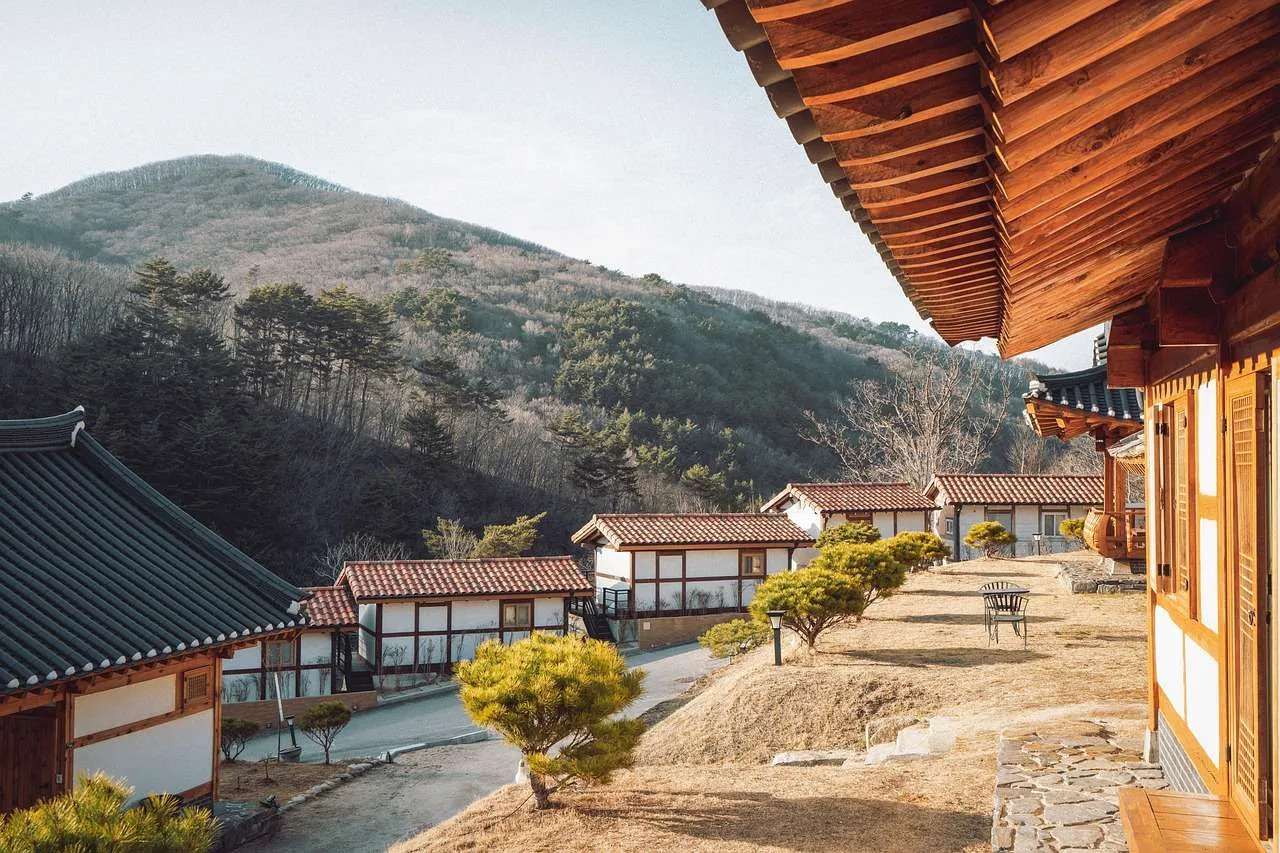
As a seasoned roofing professional with years of field experience, I know that a dependable roof is the backbone of home safety and comfort. The right approach blends expert inspection, high quality materials, and clear communication with homeowners. This guide on roofing and roof repairs covers signs of damage, repair strategies, maintenance, and how to choose a contractor you can trust.
Understanding Roofing and Common Causes of Damage
Roofs protect homes from weather, pests, and temperature changes. Over time, shingles wear, flashing degrades, and sealants fail. Common causes of damage include hail, wind uplift, improper attic ventilation, moisture intrusion, and aging components. A proactive plan that combines regular inspections with timely repairs helps prevent small issues from becoming major costs and preserves energy efficiency.
Key Signs You Need Roof Repairs
- Missing, curling, or buckling shingles
- Visible leaks in ceilings or attic spaces
- Granule loss in gutters, downspouts, or the yard
- Damaged or peeling flashing around chimneys, vents, or skylights
- Sagging sections, water stains, or persistent musty odors indoors
When you notice these indicators, schedule a professional inspection. A thorough roof assessment will identify the source of damage, estimate repair work, and suggest maintenance to extend roof life.
DIY vs Professional Roof Repairs
Some routine maintenance tasks, such as removing debris from gutters or replacing a few damaged shingles, can be done safely by homeowners. However, most repairs involve heights, roof loads, and flashing details that require training and safety equipment. A licensed contractor ensures proper installation, adheres to building codes, and provides warranties for workmanship and materials. For most repair scenarios, professional roof repairs are the prudent choice.
Choosing a Roofing Contractor
Quality starts with credentials. Look for a licensed, insured contractor with local references and a solid track record. Request written estimates, a clearly defined scope of work, and a warranty policy for both products and labor. Verify licenses with the appropriate state or local authority and review recent customer feedback to gauge reliability and communication skills.
Maintenance and Preventive Care
Preventive care reduces emergency calls and extends roof life. Implement a routine that includes seasonal inspections, timely gutter cleaning, trimming nearby branches, and ensuring attic ventilation remains adequate. Schedule professional roof inspections every 3 years, or sooner after severe weather, to detect hidden issues before they escalate.
Comparison of Roofing Options
Material choice affects durability, aesthetics, weight, and cost. The table below outlines typical tradeoffs for common roof types to help you select the best fit for climate and budget.
| Roof Type | Pros | Cons | Typical Lifespan | Estimated Cost (per sq ft) |
|---|---|---|---|---|
| Asphalt Shingles | Affordable, easy to install, widely available | Shorter lifespan, potential ice dam risk in cold climates | 15-30 years | $2.50-$5 |
| Metal | Durable, lightweight, fire resistant | Higher upfront cost, can be noisy in rain without insulation | 40-70 years | $5-$12 |
| Tile | Excellent durability, distinctive look | Heavy, requires strong structure and attic clearance | 50-100 years | $8-$20 |
| Wood Shake | Natural aesthetics, solid insulation | Requires maintenance, susceptible to rot and fire with improper treatment | 20-40 years | $6-$9 |
| Flat Roof Membrane | Low slope compatibility, modern look | System-dependent lifespan, potential puncture risk with sharp objects | 15-25 years | $4-$8 |
Note: costs and lifespans vary by climate, roof complexity, and local labor rates. Always obtain multiple quotes and verify warranties for products and workmanship before committing.
Conclusion
The right roofing and roof repairs strategy balances quality, safety, and long-term value. By recognizing warning signs early, selecting a licensed contractor, and maintaining your roof through routine inspections and preventive care, you can minimize disruptions and maximize performance. A well-maintained roof enhances comfort, energy efficiency, and resale value for years to come.
Summary: By understanding roofing and roof repairs needs, staying proactive with inspections and maintenance, and choosing a licensed contractor with clear warranties, you can extend roof life, reduce emergency repairs, and protect your home.